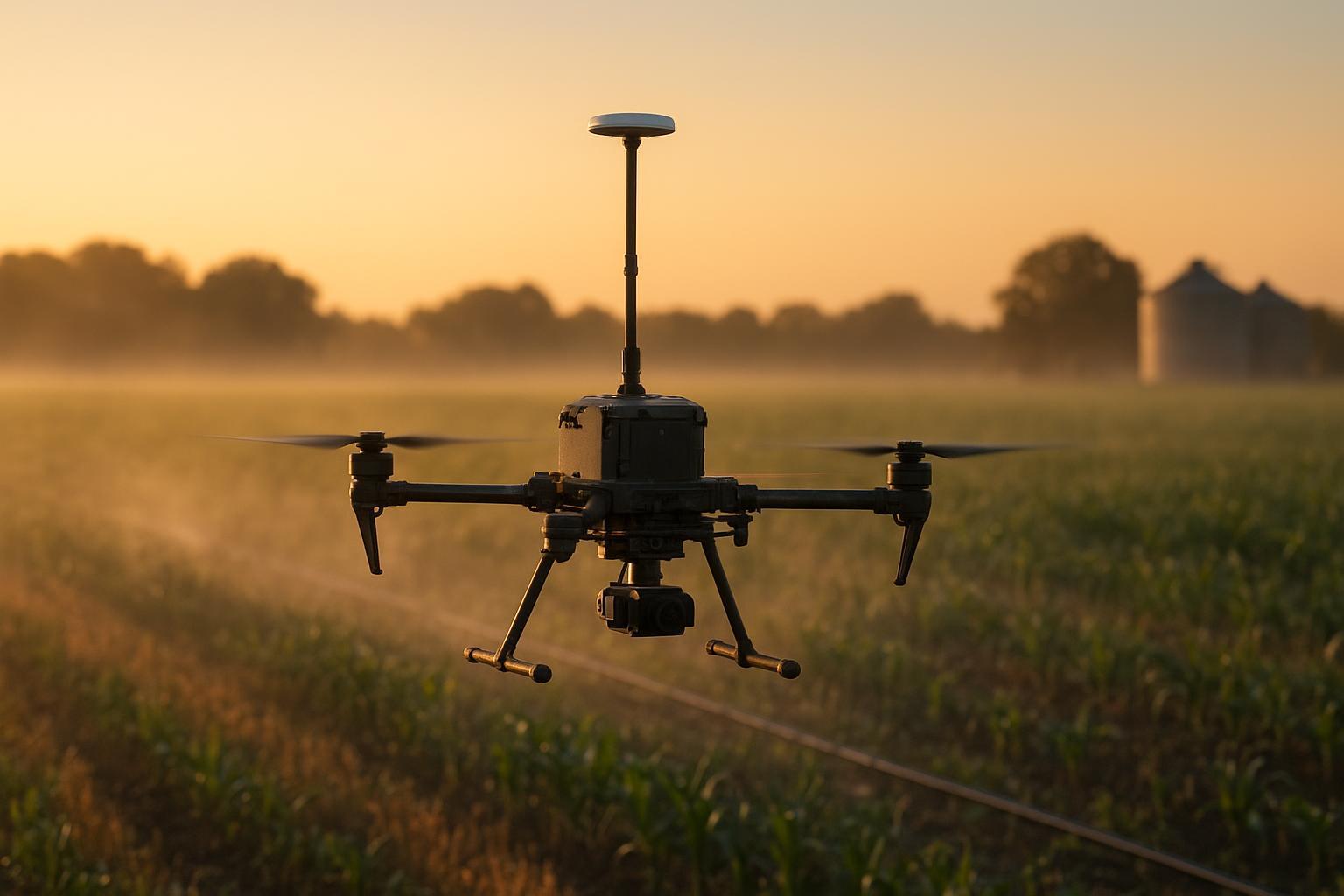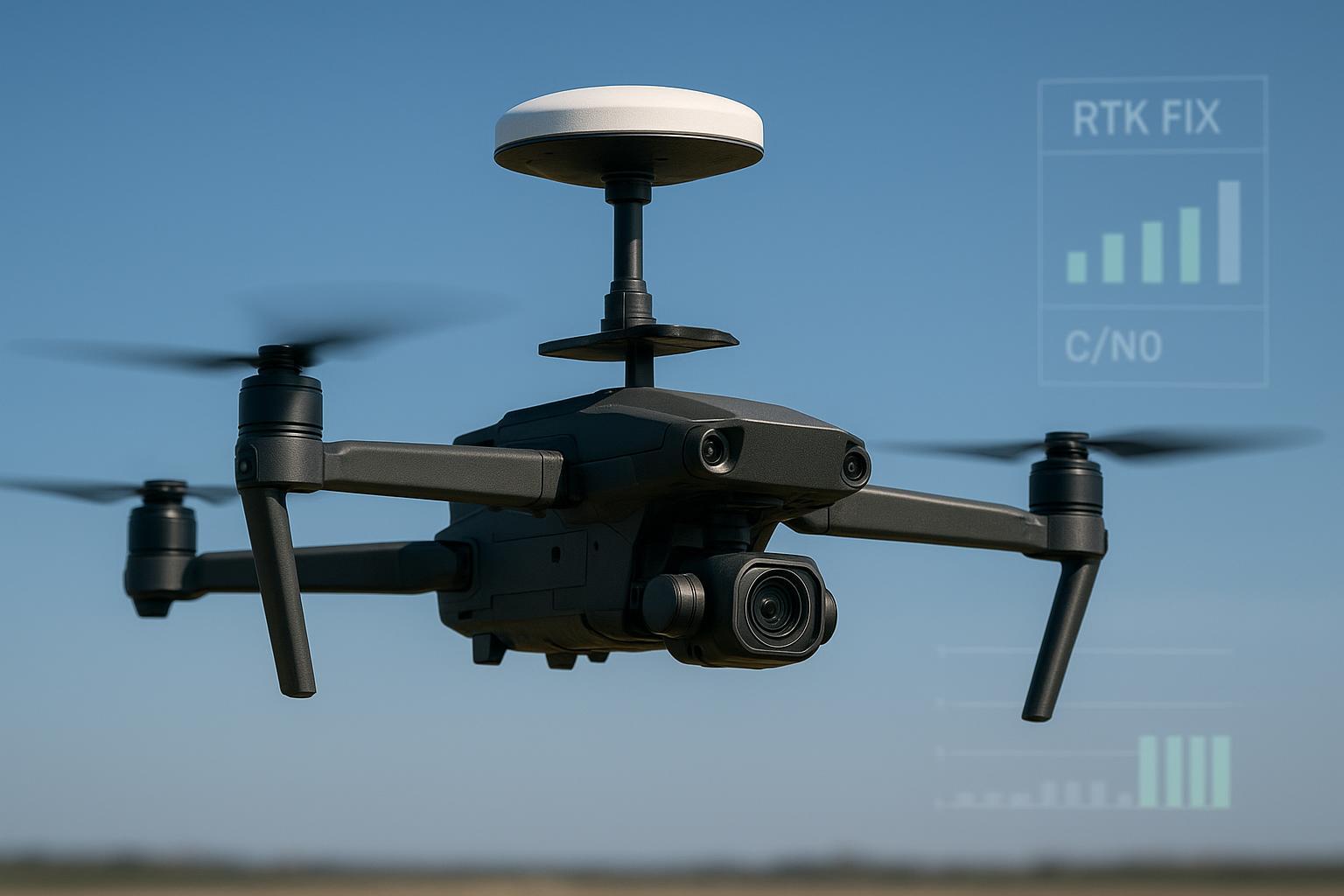
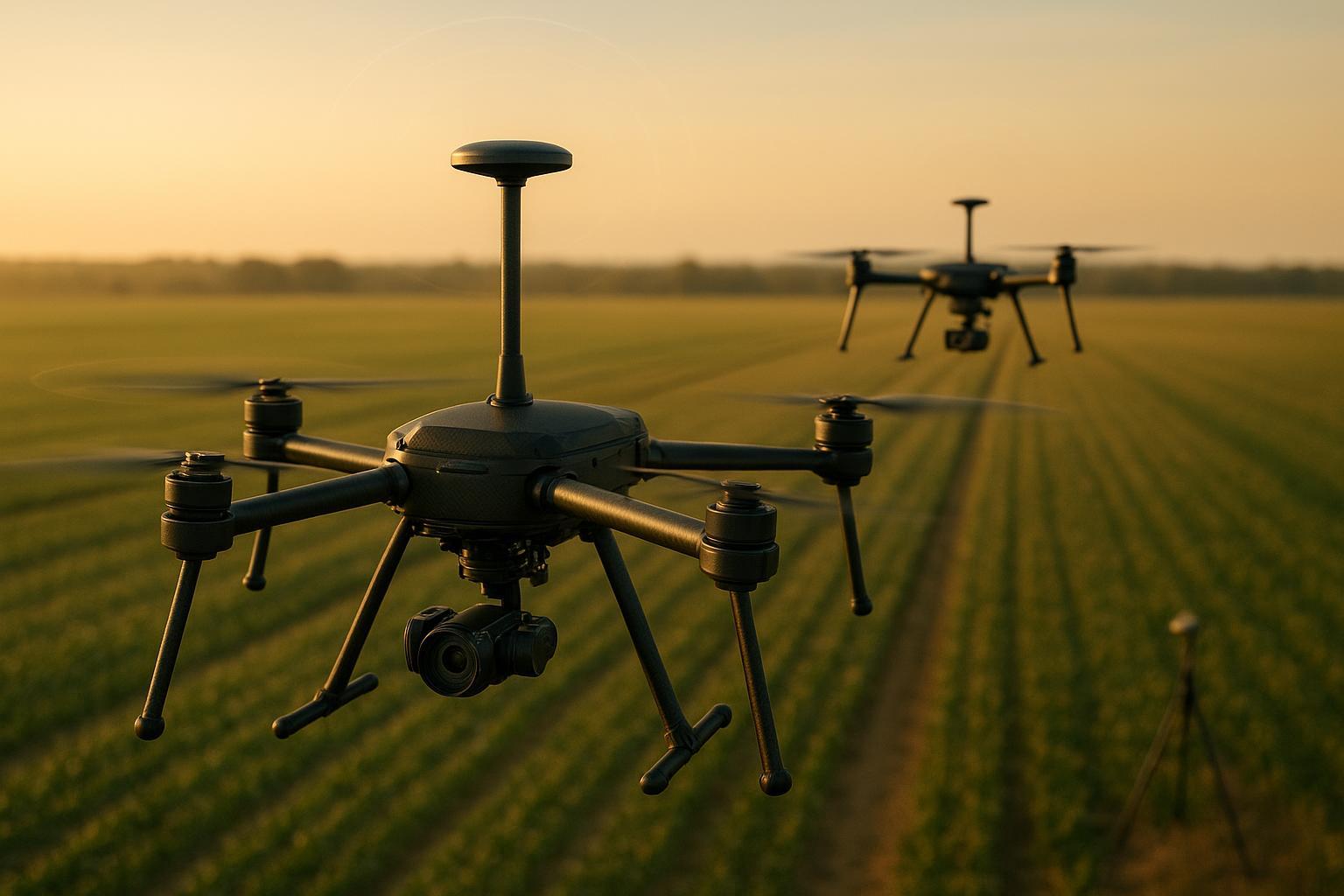
RTK guidance drift: antenna mounting & gain best practices
Practical GNSS antenna guidance for RTK guidance drift—how antenna gain patterns, mounting, cabling, and validation improve pass-to-pass accuracy for drone engineers.
Technical guides, design deep-dives, and field-proven application notes on precision GNSS antennas, anti-jamming CRPA arrays, and multi-constellation positioning — written by the engineers behind GNSource.
Request a QuotePractical GNSS antenna guidance for RTK guidance drift—how antenna gain patterns, mounting, cabling, and validation improve pass-to-pass accuracy for drone engineers.
Engineer-focused guide to GNSS antenna durability for farm equipment — practical RTK reliability, mounting, cabling, sealing, and test protocols to prevent cycle slips.
Practical engineer-to-engineer best practices for GNSS antennas in precision agriculture—antenna selection, mounting, cabling, calibration and field-validation for reliable RTK.
Practical GNSS antenna guidance for RTK guidance drift—how antenna gain patterns, mounting, cabling, and validation improve pass-to-pass accuracy for drone engineers.
Engineer-focused guide to GNSS antenna durability for farm equipment — practical RTK reliability, mounting, cabling, sealing, and test protocols to prevent cycle slips.
Practical engineer-to-engineer best practices for GNSS antennas in precision agriculture—antenna selection, mounting, cabling, calibration and field-validation for reliable RTK.
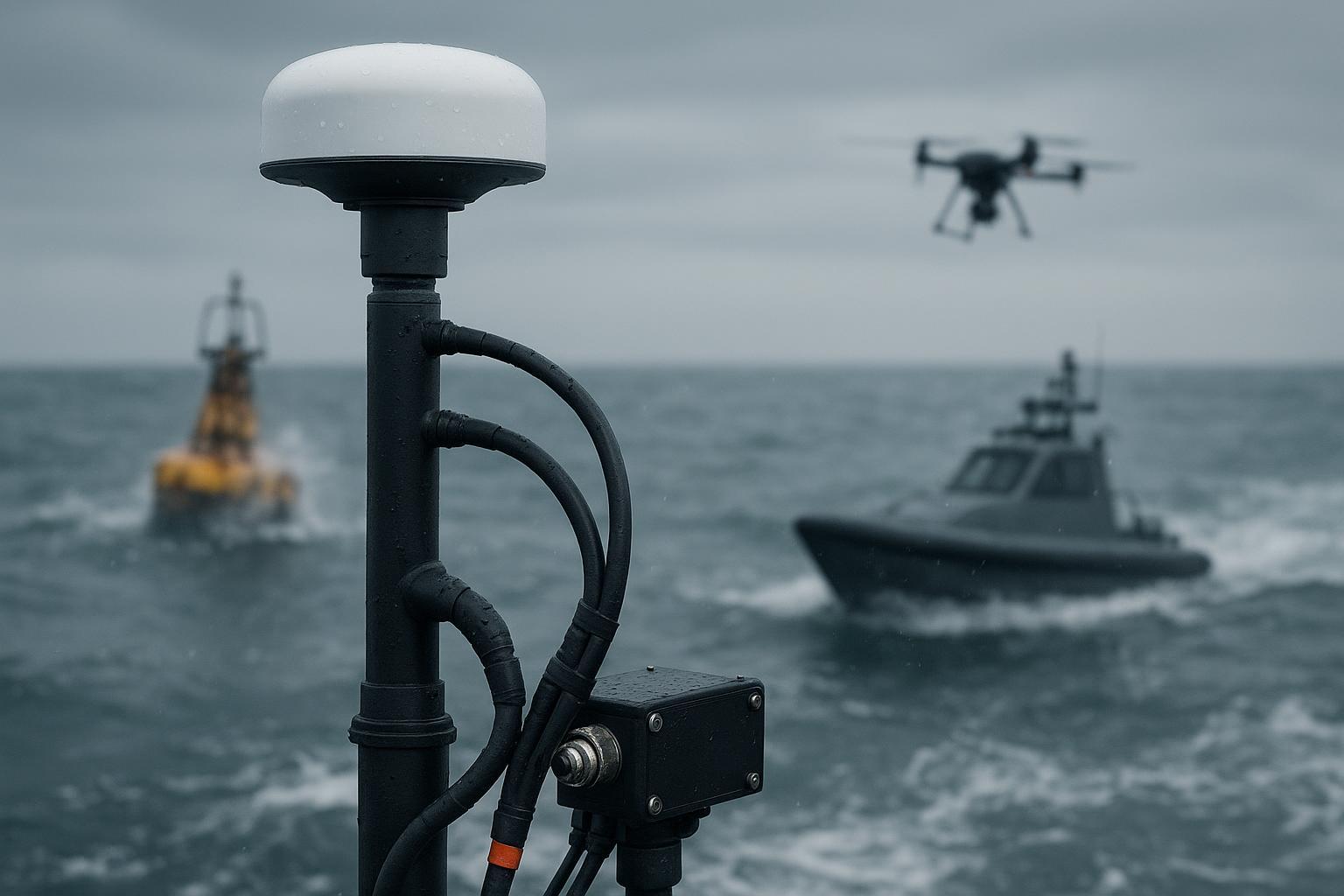
Practical, engineer-led guidance for offshore RTK: choose cables (LMR‑240/400), connectors (N/TNC), sealing, grounding, and test steps to maximize C/N0 and reliability.
Practical antenna selection and mounting strategies to reduce multipath near ships and ports—improve UAV RTK fix rates, lower residuals, and validate with field tests.
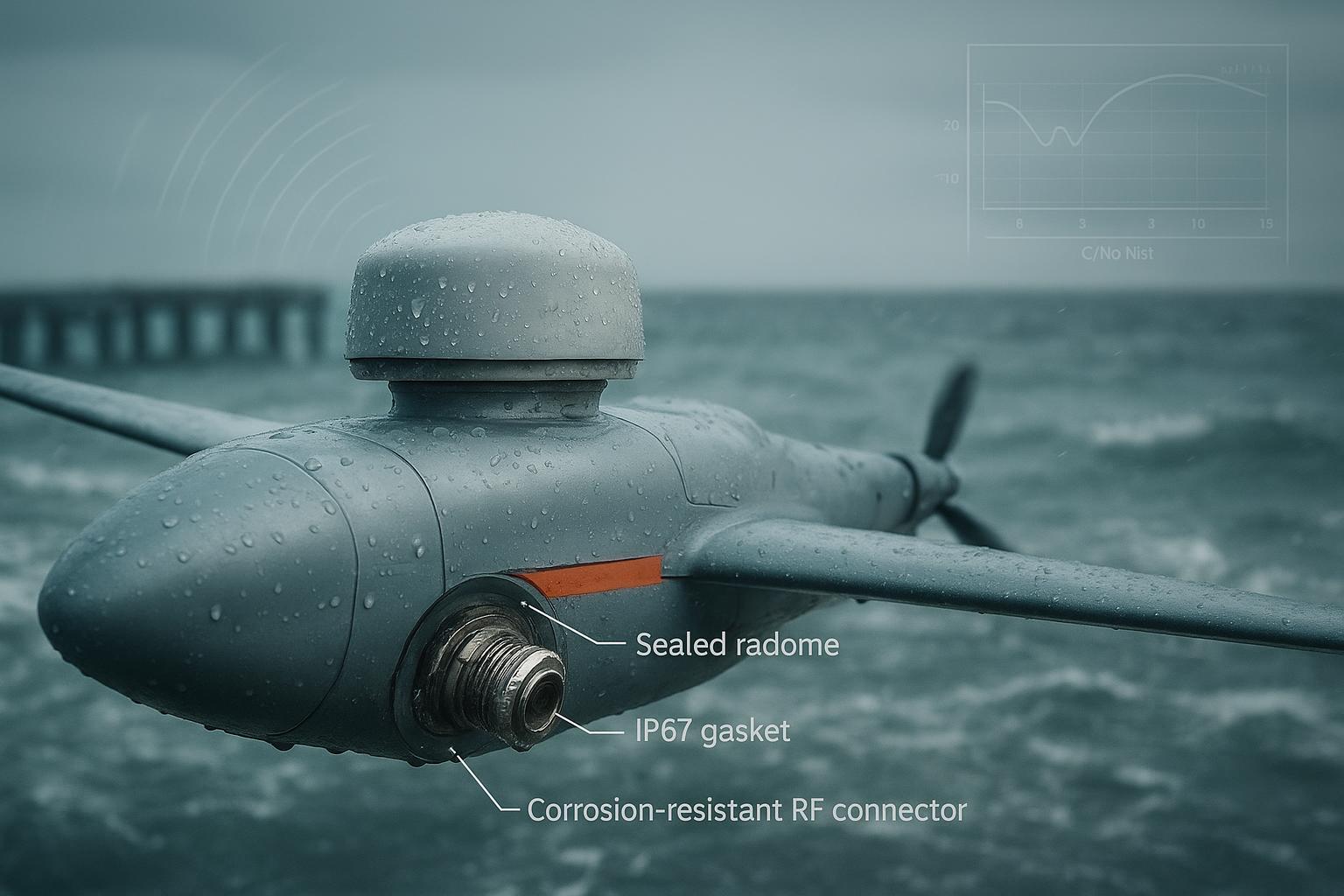
Engineer-to-engineer guidance on how salt spray, humidity, and IP67 affect marine GNSS antenna lifespan. Includes test plans, RF metrics (S11, C/N0), and integration checklists.
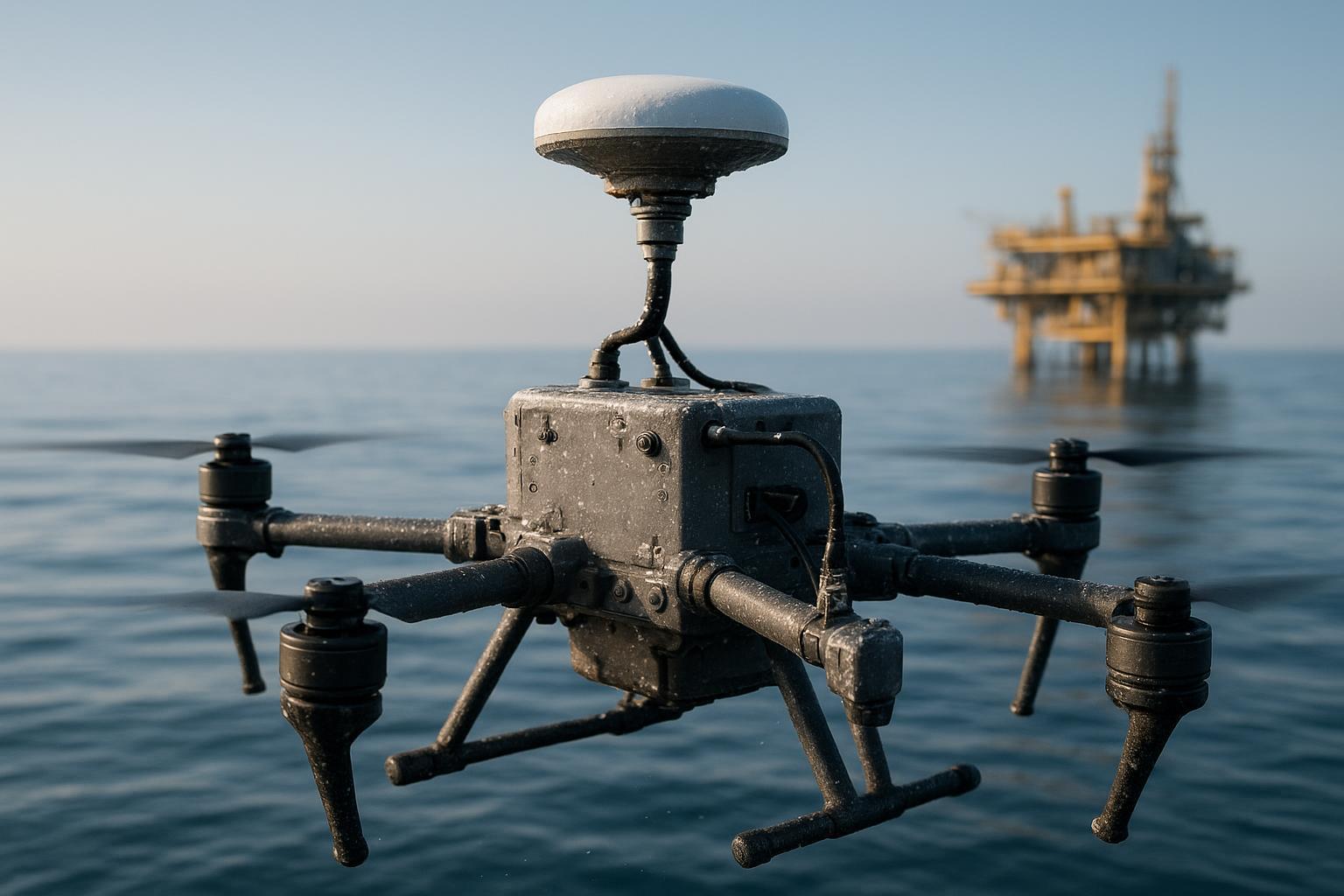
Engineer-focused best practices for maritime GNSS antenna for drones: selection, corrosion protection, mounting, cabling, firmware tuning, and validation for reliable RTK.
Practical engineering guide for drone integrators: how antenna metrics (PCV, axial ratio, gain, cabling) affect RTK+IMU fusion, test protocols, and production checks.
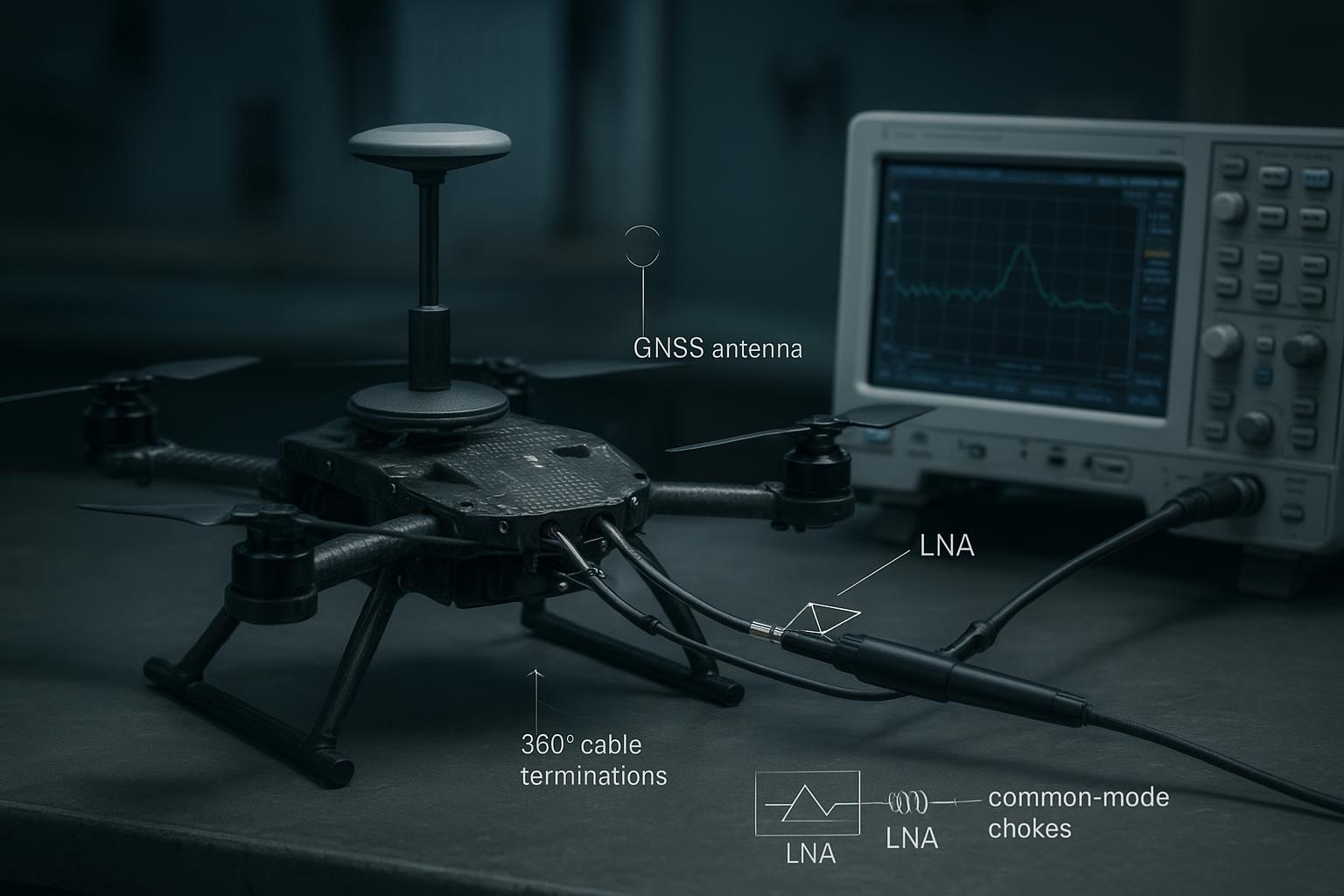
Practical step-by-step guide to reduce GNSS EMI on drones: antenna placement, shielding, CMCs, SAW/LNA trade-offs, and validation to improve RTK C/N0.
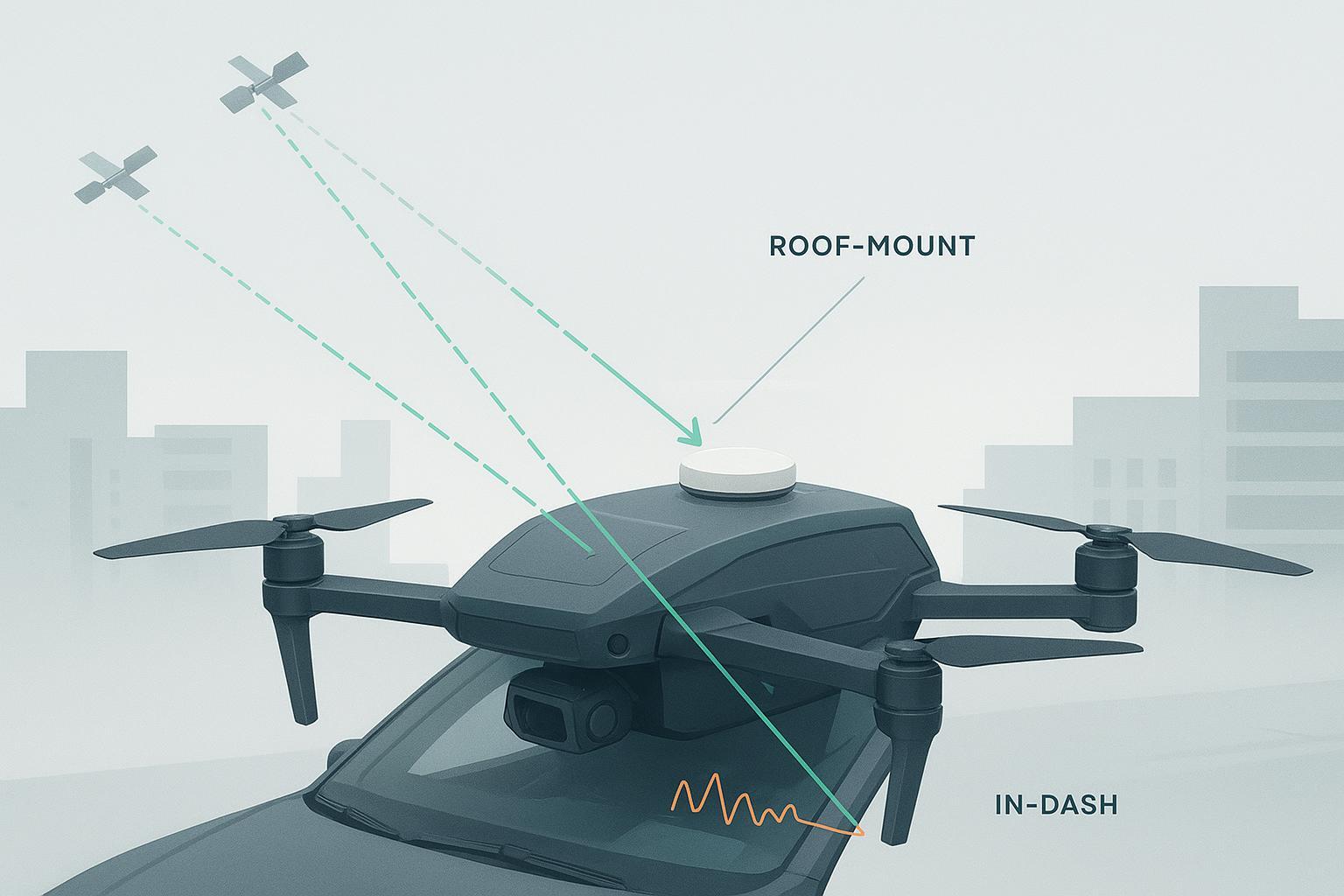
Compare roof‑mount vs in‑dash GNSS antennas for drones and vehicles — RTK accuracy, multipath, C/N0, EMI, cable/LNA budgets, installation and validation tips.
Engineering best practices for selecting, mounting, and validating multi‑band, multi‑constellation GNSS antennas to improve RTK reliability in ADAS and UAV integration.
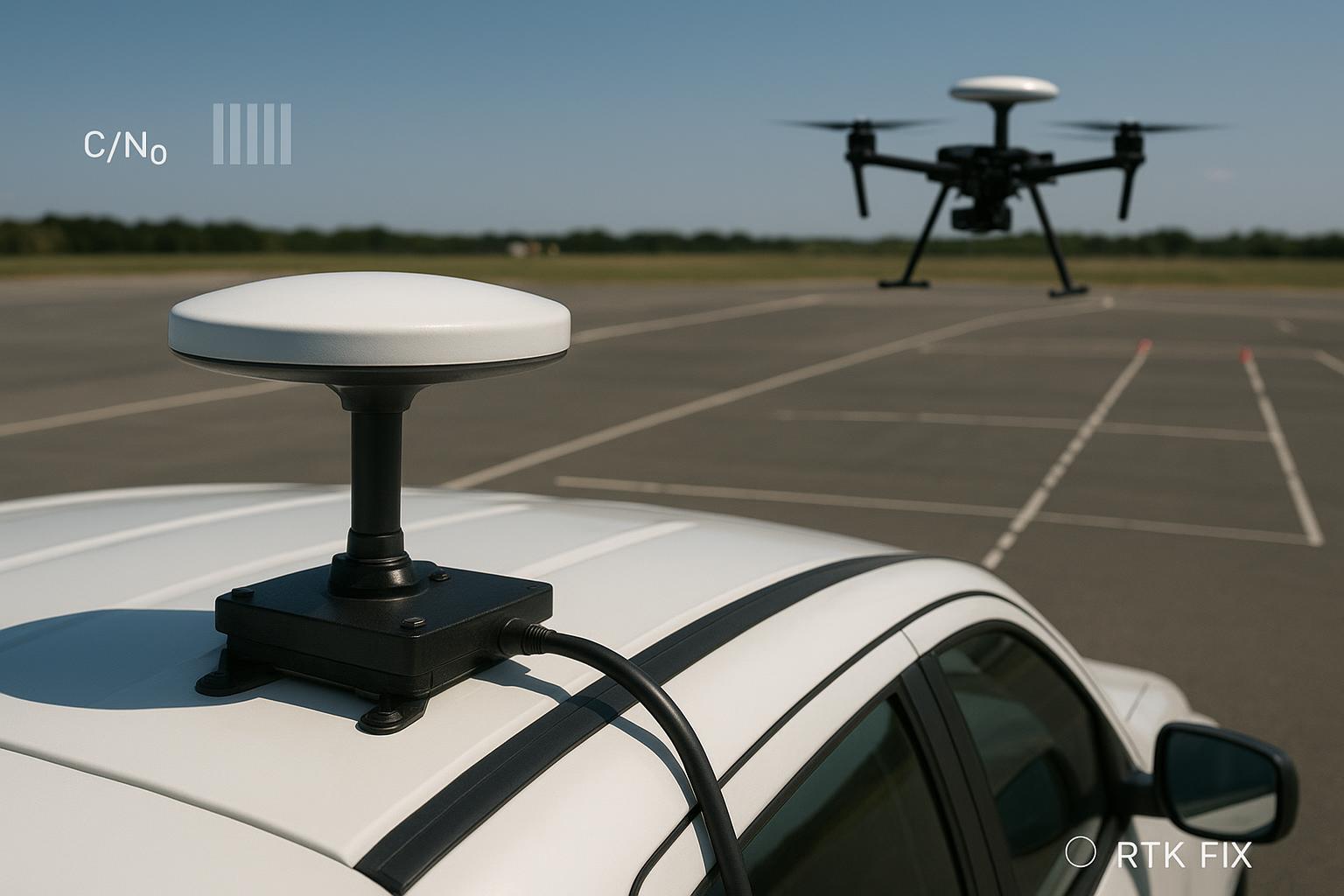
Practical best practices for selecting, mounting, and validating GNSS antennas for vehicles and autonomous systems to improve RTK accuracy and reliability.